Coffee
Sustainable Coffee Trends In 2026: From Farm To Cup
Author:Judy
|
Released:March 1, 2026
Tired of your daily brew leaving a bitter carbon footprint? Discover how sustainably sourced coffee is transforming in 2026. From dirt to mug, we will show you exactly what to look for. Read on to make your next cup guilt-free and deliciously impactful.
Why Regenerative Agriculture Is The 2026 Standard For Sustainable Coffee Companies
But before we get there, do you actually know where your morning beans start their journey?
Today, leading sustainable coffee companies have moved far beyond merely avoiding synthetic pesticides.
In 2026, the agricultural baseline has officially elevated to regenerative agriculture, a dynamic, hands-on approach that actively heals the ecosystem rather than simply minimizing harm.
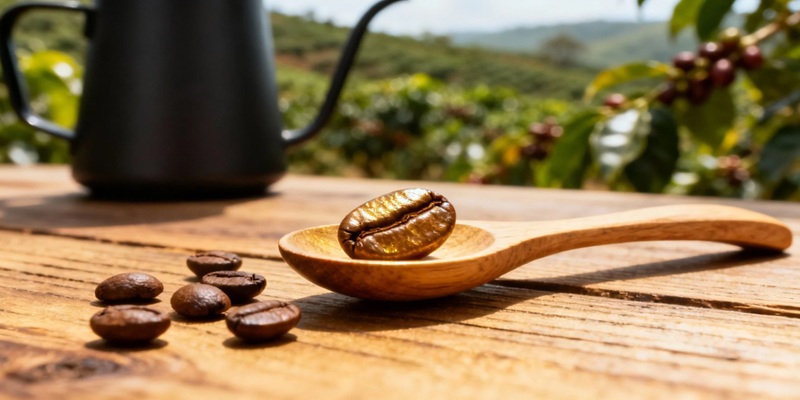
Picture a modern coffee farm nestled in the lush Colombian highlands. Instead of endless, depleted rows of sun-scorched monocrops, you will step into a thriving, multi-layered food forest.
Here, advanced shade-grown techniques are standard practice, utilizing native canopy trees to protect delicate coffee shrubs while providing a vital sanctuary for migrating bird species.
Farmers are actively integrating biochar into the earth—a highly porous, carbon-rich charcoal that acts like a microscopic sponge.
This biochar locks in vital nutrients, sequesters atmospheric carbon, and supercharges the soil microbiome, creating an explosion of local biodiversity that naturally fends off devastating pests and crop diseases without chemical intervention.
The practical environmental dividends of this agricultural shift are nothing short of striking. According to recent USDA data, farms adopting regenerative practices have reduced water use by 30%.
This represents a critical milestone as global climate patterns become increasingly erratic, and water scarcity threatens crop yields. Healthier, well-aerated soil retains heavy rainfall far more effectively, making these modern agricultural hubs remarkably resilient against prolonged droughts.
For everyday consumers navigating the grocery aisle, decoding a sea of greenwashed eco-labels can feel incredibly daunting.
As a crucial selection tip, bypass the basic organic labels that only promise what is left out of the soil.
Tell your barista or grocer you want the Regenerative Organic Certified seal.
This elite certification ensures maximum ecological benefit, guaranteeing top-tier soil regeneration, enhanced animal welfare, and strict economic fairness for the farmers.
Zero-Waste Coffee Innovations: Choosing The Best Eco-Friendly Packaging
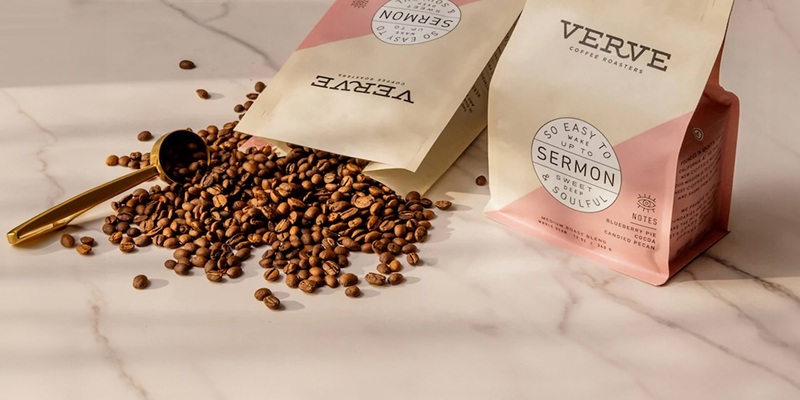
As we navigate the consumer landscape of 2026, the vanguard of eco-friendly coffee brands has completely abandoned single-use plastics.
Instead, the industry is embracing robust circular return systems that redefine our morning routines.
For the conscious buyer, the choice typically narrows down to two leading formats: home-compostable bags and refillable aluminum canisters.
But which option actually delivers on the promise of keeping your beans peak-fresh while remaining genuinely sustainable?
If you are seeking the ultimate intersection of freshness and environmental responsibility, refillable aluminum canisters are the clear winner.
Aluminum provides an unparalleled, hermetic seal against oxygen, moisture, and UV light—the three biggest enemies of roasted coffee.
Under the new circular models, buyers order their zero-waste coffee, receive it in a sleek aluminum tin, and return the empty container using a pre-paid, carbon-neutral shipping label. It is a seamless loop that eliminates household waste.
Conversely, while compostable bags are popular, they are often a minefield of greenwashing.
As a practical rule, always scrutinize the packaging for the exact type of compostability.
If a label says compostable, it usually means industrial compostable. These bioplastics require commercial facilities capable of reaching 140 degrees Fahrenheit to break down; otherwise, they languish in conventional landfills for decades.
To ensure you are buying truly zero-waste coffee in a flexible format, look for the home-compostable certification. These advanced cellulose-based bags will safely decompose in your standard backyard compost bin within 180 days.
Supply Chain Transparency: How To Track Your Sustainably Sourced Coffee
In 2026, purchasing sustainably sourced coffee goes far beyond simply trusting a colorful certification sticker on a bag; it requires radical transparency powered by advanced traceability technology.
Today's elite supply chains are fully digitized, allowing conscious consumers to trace their coffee's exact journey from a remote, high-altitude farm to their kitchen counter.
When you pick up a premium roast today, you will encounter an integrated smart-label powered by blockchain and NFC technology.
With a quick tap of your smartphone, you instantly access a comprehensive dashboard of undeniable proof. These digital product passports display interactive, high-resolution origin maps, live carbon offset data, and—most importantly—the exact micro-payments distributed to the individual farmers.
This technological leap ensures that the hands that cultivate your daily brew are compensated fairly, bypassing the historically exploitative layers of the global commodity market.
This level of comprehensive digitization actively heals the planet. According to recent data from Fairtrade International, fully traceable, digitized supply chains reduce logistics-related carbon emissions by an impressive 18 percent.
By optimizing international shipping routes and eliminating redundant warehousing through real-time data sharing, companies drastically shrink their carbon footprint before the beans even reach your local port.
Authoritative bodies like World Coffee Research have been instrumental in this structural shift, advancing stringent tracking standards and building supply chain resilience to ensure global coffee cultivation can withstand the mounting pressures of climate change.
Their collaborative efforts with farmers provide open-source agricultural data that directly improves crop yields and environmental conservation.
To distill this wealth of technological and supply chain innovation into a practical, everyday purchasing strategy, keep this quick buyer's checklist in mind for your next coffee run.
First, demand a true zero-waste vessel, prioritizing circular aluminum canisters or strictly certified home-compostable packaging.
Always scan the bag's smart label to verify that the brand provides transparent, farm-level payment data and carbon tracking.
Check that the roaster actively partners with established agricultural science authorities.
By rigorously following these steps, you ensure your morning ritual genuinely supports the future of sustainably sourced coffee.
2026 Buyer's Guide: Practical Tips For Choosing Eco-Friendly Coffee
To guarantee you are investing in the highest quality, most ethically produced beans, here is your ultimate non-negotiable checklist featuring the top three things to look for on your coffee bag today:
1. Direct Trade Verification
Skip the unnecessary intermediaries.
Look for transparent, scannable blockchain QR codes that trace your beans directly back to the farmers who grew them, ensuring they receive equitable compensation.
2. Carbon-Neutral Certifications
Do not settle for vague promises.
Demand verified badges from recognized global bodies that prove the roaster actively offsets its entire carbon footprint.
3. Regenerative Agriculture Seals
This is the absolute gold standard for 2026.
This prestigious seal guarantees the farm actively restores vital soil health and boosts local biodiversity.
Once you know exactly what to look for, deciding how to buy is your next crucial step.
If seamless convenience is your priority, modern online eco-coffee subscription models are phenomenal.
Shipped in fully compostable mailers via carbon-neutral logistics networks, these tailored subscriptions deliver perfectly roasted beans to your door at a highly competitive cost per cup. They often provide exclusive access to seasonal micro-lots that you won't find anywhere else.
If you want the absolute lowest carbon impact, bulk buying in local zero-waste shops remains the undisputed champion. By bringing your own reusable glass jars or cloth bags to a neighborhood gravity dispenser, you strip away packaging waste entirely and slash final-mile shipping emissions.
While online subscriptions absolutely win on autopilot convenience and global variety, local bulk buying offers unbeatable environmental efficiency, community support, and immediate gratification.
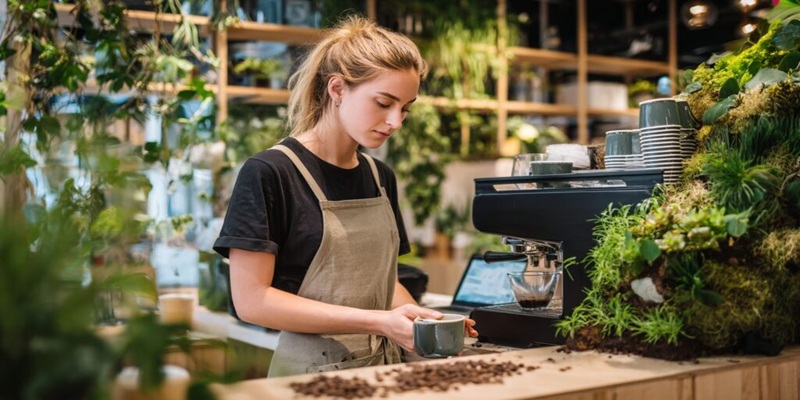
Brewing a Better Tomorrow
The journey from farm to cup in 2026 proves that great taste does not have to cost the earth. By choosing zero-waste coffee and supporting brands committed to regenerative agriculture, you can shape the industry's future with every morning sip. Ready to upgrade your brew? Start by checking your current coffee bag's credentials today, and switch to a truly sustainable roaster for your next batch. Your palate—and the planet—will thank you.
Sources
You May Like
-

-
Coffee
Co-Fermented Coffee Is No Longer a Niche: Here's What's Driving the Trend
-
Coffee
Specialty Coffee Trends: Rare Beans, Functional Blends, And Creative Drinks
-
Guide
Coffee Storage Solutions That Keep Beans Fresh Longer
-
Coffee
Unlock Pure Flavor: A Barista's Guide to the Best Manual Coffee Grinder
-
Recipe
Dalgona Coffee (Whipped): The Viral Recipe Is Easier Than You Think